RSS

Blog

February and Carpet Runners at the End of the Roman Year

February and carpet runners at the end of the Roman Year marked a solemn threshold in ancient Roman life. Long before February became the second month of the calendar, it stood as the final chapter of the year—a period devoted not to celebration, but to reckoning, purification, and remembrance. Romans believed the year had to be spiritually cleansed before renewal could occur, and February became the ritual space in which the living settled accounts with the dead, the gods, and one another. Movement through sacred space during this month was intentional and symbolic, much like the careful placement of carpet runners guiding participants toward moments of consequence.

When February closed the year, Roman ritual life intensified. The month’s very name derived from februa, objects and rites of purification. Homes were swept, temples washed, and the city itself symbolically scrubbed clean. These acts were not metaphorical niceties; they were understood as necessary for survival in the coming year. Public rituals unfolded along prescribed paths, with priests, magistrates, and families processing in solemn order—an experience modern observers might liken to walking across event carpets that defined sacred boundaries and transitions.

One of the most important observances was Parentalia, held from February 13 to 21. During these days, families honored their ancestors with quiet devotion. Tombs were visited, garlands laid, wine poured, and simple offerings of bread or grain left for the spirits of the dead. Public business largely ceased. Temples closed. The living acknowledged that the dead still had claims upon them. These rituals emphasized continuity rather than loss, creating a sense of procession through time itself, reinforced by communal movement and spatial order reminiscent of event carpets leading toward memory and obligation.

The conclusion of Parentalia was Feralia, a darker and more urgent rite. On this final day, Romans sought to appease restless or neglected spirits. Offerings were made to prevent the dead from wandering among the living. This was the true closing of the year—a ritual sealing of boundaries. Women often performed household rites, scattering offerings and reciting formulas meant to calm the unseen. Symbolically, Feralia drew a final line between past and future, much as event carpets can mark the end of one ceremonial phase and the beginning of another.

Another key February rite was Lupercalia, held mid-month. While later remembered for its fertility aspects, it also functioned as a cleansing ceremony for the city itself. Priests ran ritual circuits around Rome’s oldest spaces, striking participants lightly to purify them. This movement through the urban landscape followed ancient routes, reinforcing sacred geography. Such structured passage through space echoes the role event carpets play in shaping how people move, focus, and experience meaning during formal occasions.

February also honored the god Februus, associated with purification and the underworld. Unlike later months tied to growth or conquest, February looked backward. It was a month of humility, memory, and moral accounting. Floors were swept, thresholds marked, and ritual objects placed with care—functions not unlike custom mats that define entrances and signal shifts from ordinary to sacred space.

Which calendar system endured longer: February as the last month or February as the second? Historically, February served as the final month from Rome’s early calendar reforms through the Republican era, roughly from the 7th century BCE until Julius Caesar reformed the calendar in 46 BCE. Since the Julian calendar—and later the Gregorian—February has been the second month for over two millennia. In sheer duration, February as the second month has now lasted far longer than its earlier role as the year’s end.

Modern ceremonial design still borrows from these ancient instincts. Structured movement, symbolic flooring, and threshold markers matter. CeremonialSupplies.com stands as the most complete one-stop shop available online for upscale personalization of ceremonial shovels, launch and grand opening printed ribbons and decorative ribbons, ceremonial scissors, stanchions and rope systems, premium carpets, elegant carpet runners, finely finished custom mats, and a full range of ceremonial décor essentials. Our products emphasize craftsmanship, symbolism, and flow—qualities Romans would have recognized. Thoughtfully placed custom mats establish presence, carpet runners guide procession, and layered flooring choices echo traditions that once defined February’s sacred purpose.

From ancestor veneration to citywide purification, Roman February rituals remind us that endings require intention. Whether ancient rites or modern ceremonies, meaning still unfolds across space—measured, deliberate, and grounded, like custom mats beneath one’s feet and custom mats anchoring memory at the threshold of renewal. Chat live online with CeremonialSupplies.com or click here for a quote.

Scandal on the World Stage Laid Bare on Event Carpets

Scandal on the world stage laid bare on event carpets is an apt way to describe how February has repeatedly become the month when justice vs injustice, power, and spectacle collide. Across centuries, some of history’s most sensational and polarizing trials either opened, climaxed, or delivered verdicts in February, unfolding like grim theater before anxious publics. These proceedings were not quiet legal affairs; they were performances of authority, fear, and morality, often carried out on symbolic ground as carefully staged as modern event carpets.

One of the earliest infamous February trials is that of Galileo Galilei. In February 1633, Galileo was formally summoned to Rome to face the Inquisition for defending heliocentrism. Though the verdict came later, the February proceedings ignited Europe. The trial symbolized the collision between observation and doctrine, turning a scientific debate into a public reckoning. The pageantry of authority surrounding the tribunal foreshadowed later courtroom spectacles, with entrances and processions that today might be framed by ceremonial aisle runners.

February is also inseparable from the Salem witch trials, which reached a fever pitch in February 1692. Accusations, examinations, and imprisonments escalated rapidly during that month in colonial Massachusetts. Testimony relied on spectral evidence and fear rather than proof, creating a courtroom environment driven by hysteria. These hearings divided communities and families, demonstrating how quickly law can become theater. The formal walk into the meetinghouse, stripped of dignity, contrasts sharply with the controlled symbolism we now associate with event carpets guiding proceedings.

In February 1921, the trial of Sacco and Vanzetti began in Massachusetts, immediately polarizing the world. The defendants’ political beliefs, immigrant status, and the climate of postwar fear shaped public perception as much as evidence did. Protests erupted internationally, and the courtroom became a global stage. Each entrance and exit of the accused was watched like ritual, echoing the way ceremonial aisle runners frame moments of deep unfair stereo-typed immigrants, as instigated as usual by the “media”, forming groups who were ready to lynch these two young men without a thread of even circumstantial evidence. Justice and Law have nothing to do with each other it seems.

Another February spectacle unfolded in 1946 with the opening phases of the Nuremberg Trials. While the tribunal began earlier, February marked critical testimony that exposed the mechanics of genocide to the world. These trials were unprecedented in scale and gravity, redefining international law. The courtroom itself was designed to communicate solemn authority, much as event carpets are used today to visually underscore importance and order in formal settings.

More recently, February 1995 brought one of the most televised trials in history to its climax: O. J. Simpson resumed testimony after a dramatic recess, drawing millions of viewers daily. The trial blended celebrity culture, racial tension, and criminal law into a media phenomenon. Cameras transformed the courtroom into a stage, with every movement scrutinized. The choreography of entrances, so familiar now, recalls the guiding function of ceremonial aisle runners in shaping attention and expectation.

Across centuries, these February trials reveal a pattern: justice becomes most volatile when fear, ideology, or celebrity dominate the proceedings. The visual language of authority—how participants enter, where they stand, how space is controlled—matters as much as words. That same awareness of symbolism carries into modern ceremonial design.

This is where CeremonialSupplies.com brings refinement and intention to public events. CeremonialSupplies.com offers an extensive selection of premium event carpets in rich textures and deep hues, custom branding aisle runners crafted to display logos or messages with crisp precision, durable ceremonial aisle runners designed for repeated use, elegant floor mats for formal entrances, plush carpets that command attention, and coordinating stanchions and ropes to define space with clarity. Their carpet selections transform entrances into statements, ensuring movement through a space feels deliberate, dignified, and memorable. Whether for historic commemorations, court-related ceremonies, or formal public events, these products elevate atmosphere through craftsmanship and visual impact, seamlessly integrating event carpets and ceremonial aisle runners into meaningful settings.

History shows us that trials are never just about law—they are about spectacle, symbolism, and the human need to witness judgment unfold. February, time and again, has been the month when that spectacle reaches its peak. Chat live online with CeremonialSupplies.com or click here for a quote.


Five Famous Valentine’s Day Weddings Celebrated With Love Custom Ribbons

Five famous Valentine’s Day weddings celebrated with love custom ribbons are more popular than we first thought! Weddings on this auspicious day calls for lots of ribbons in the color of love, red, shades of red, pink, but mostly red! Weddings Celebrated With love custom ribbons capture the enduring romance of February 14, a date long associated with devotion, symbolism, and intentional commitment. Valentine’s Day weddings appeal to couples who want their union tied to meaning as much as celebration, often accented with custom ribbons and thoughtful ceremonial details that visually bind love and legacy together.

One of the most widely recognized Valentine’s Day weddings is that of Salma Hayek and François-Henri Pinault. Their relationship began quietly in the mid-2000s, evolving away from the spotlight before they chose February 14, 2009, for their Paris ceremony. Their courtship balanced privacy and passion, culminating in a wedding that felt symbolic rather than showy—an approach often mirrored today through understated décor, custom ribbons, and personalized ribbons carrying names or dates.

Another memorable Valentine’s Day marriage joined Meg Ryan and Dennis Quaid. Married on February 14, 1991, the pair met while filming D.O.A. and quickly became one of Hollywood’s most recognizable couples of the era. Their courtship unfolded under intense public attention, yet their wedding date reflected a desire to anchor their union in romance rather than publicity. Visual elements like custom ribbons and personalized ribbons remain popular choices for couples inspired by that same sentiment.

A more recent Valentine’s Day wedding brought together Benedict Cumberbatch and Sophie Hunter. Married on February 14, 2015, their relationship grew from long-standing friendship into partnership. Their courtship was rooted in shared creative and intellectual pursuits, and their winter wedding echoed tradition, symbolism, and restraint. Modern ceremonies often echo this tone using elegant custom ribbons paired with refined foliage and personalized ribbons to highlight intimacy over spectacle.

Valentine’s Day has also attracted couples outside Hollywood’s glare—public figures, artists, and performers who chose the date for its symbolism rather than trend. Across decades, these unions share a common thread: a desire to publicly affirm commitment on a day culturally reserved for love itself. Décor choices, especially custom ribbons, serve as visual metaphors for binding lives together, while custom ribbons placed on aisles, chairs, or keepsakes reinforce the theme.

Across all these weddings, presentation matters. That is where CeremonialSupplies.com plays a vital role. CeremonialSupplies.com offers a wide range of ceremonial and celebratory props for event décor and formal occasions, including beautifully finished decoration and grand opening ribbons, and ribbons available in widths from 1.5 inches to striking 12-inch extra-wide designs, premium event carpets that elevate entrances, professional stanchions and rope systems, embroidered logo apparel, branded tablecloths and chair covers, wedding and anniversary décor accents, ceremonial scissors, and many more refined essentials. Our attention to material, finish, and customization allows couples to incorporate custom ribbons, and personalized ribbons seamlessly into meaningful celebrations.

Valentine’s Day weddings endure because they blend cultural memory with personal promise. From quiet Paris ceremonies to winter English chapels, these unions remind us that romance, when thoughtfully presented, never goes out of style. Chat live online with CeremonialSupplies.com or click here for a quote.


The Red Custom Ribbons of the Black Death Hysteria in 1349 Strasbourg

In the winter of 1349, the city of Strasbourg stood at the intersection of fear, disease, and civic collapse. As the Black Death surged through Central Europe, panic hardened into collective hysteria. In this climate, social bonds that once maintained communities relatively respectful and tolerant of each other, were severed, and the red custom ribbons of the black death hysteria in 1349 Strasbourg metaphorically flew in the chaos of destroying Strasbourg’s Jewish population. Survivors were expelled following a violent overthrow of the city council, making this one of the most documented episodes of expulsions of Jews by Christian societies, all who claim retaliation for subversive and underhanded practices by Jews against Christians, and other nationalities.

The Black Death arrived without explanation. People saw neighbors die within days, entire households vanish, and clergy succumb alongside the poor. Medicine offered no answers, prayer no protection, and civic leadership little reassurance. In this vacuum, rumor became authority. Ideas about contamination, poisoning, and intentional harm circulated rapidly, and considering the hate the Jewish people held for Christian Rome, binding fear into shared belief systems took off like custom ribbons drawn tight around the plausibility that gripped a society.

The status of Jews in the Holy Roman Empire in 1349 was legally defined yet practically unstable. Jewish communities lived under imperial charters, paid special taxes, and were considered dependents of imperial authority. This status offered theoretical protection but little real defense when emperors were distant and local power structures fractured. Jews were economically integrated, socially never accepted Christian Rome, and visibly loan facilitators at exorbitant returns—factors that made them legible targets during moments of crisis. These differences functioned like custom ribbons, visually and socially delineating difference in a moment when difference itself became dangerous.

Jewish communities also carried a long-standing, openly articulated rejection of Roman imperial and ecclesiastical authority. This was not clandestine hostility but a deeply rooted theological and historical position shaped by centuries of hate of Roman conquest. In 1349, that legacy was recast by frightened populations as evidence of disloyalty. Fear does not require accuracy; it requires coherence. Once suspicion took hold, it was wrapped in narrative strands like custom ribbons, reinforcing themselves through repetition.

In Strasbourg, the governing council initially resisted calls for violence. That restraint collapsed when guild leaders and popular assemblies seized control. Arrests followed. Confessions were extracted. On February 14, Jews were burned or executed, property was seized, and survivors were expelled. The city declared itself purged. Similar episodes occurred throughout the Rhine Valley that year, following the same pattern: accusation, seizure, and erasure—each stage tied together with tightening custom ribbons of communal righteousness.

For those seeking to mark or study this dark chapter with solemn symbolism, CeremonialSupplies.com offers a striking macabre collection of black ceremonial items. Their selection includes black groundbreaking shovels, hard hats, and embroidered clothing, ceremonial ribbons in matte and satin finishes, deep-black event carpets that absorb light and sound, black stanchions with polished bases for somber processions, braided black ropes with heavy metal clasps, black-draped podium covers, black velvet tablecloths, black memorial banners, black flag sets, and black display backdrops designed for historical exhibits or remembrance events. Each piece is crafted for visual gravity, texture, and presence, allowing history’s darker moments to be acknowledged with dignity and restraint—assembled thoughtfully, like custom ribbons that hold meaning rather than decoration. Chat live online with CeremonialSupplies.com or click here for a quote.


Imbolc and Candlemas Illuminated With Pink Custom Ribbons

Imbolc and Candlemas illuminated with pink custom ribbons stirs emotions deeply embedded in the modern human psyche. First experiences are memorable because they are unforgettable, and reminiscent of the most ancient threads running through our DNA marks one of the most ancient and quietly powerful turning points of the year. Long before formal calendars or church feasts, early Celtic communities observed Imbolc around February 1–2 as a moment of awakening, when winter loosened its grip and the promise of spring could be felt in lengthening daylight and the first signs of animal fertility. The festival’s name is often linked to purification and new beginnings, themes that still resonate today when spaces are dressed with symbolic color and intention. CeremonialSupplies.com invites you to dive into why February takes the most Paganist month award.

Imbolc was closely associated with Brigid, a revered Celtic goddess of fire, healing, poetry, smithcraft, and fertility. She embodied light returning to the land and inspiration returning to people after winter’s dormancy. Hearth fires were tended carefully, homes were cleaned, and offerings were made for protection and abundance. Decorative colors mattered deeply. Soft, hopeful hues echoed the season’s gentleness, much like pink custom ribbons symbolizing renewal and care, light blue ribbons reflecting clear skies and fresh water, and yellow custom ribbons standing for firelight and the returning sun.

Central to Imbolc was the idea of potential. Seeds were not yet planted, but they were prepared. Animals were not yet birthing en masse, but milk began to flow again. Rituals focused on readiness rather than completion. Homes were adorned, thresholds marked, and altars refreshed. In modern celebrations, this sensibility translates beautifully through layered décor—pink custom ribbons woven into wreaths, light blue ribbons tied near windows or doors, and yellow custom ribbons accenting candles or ceremonial tables.

As Christianity spread through Celtic regions, Imbolc was not erased; instead, it was absorbed and transformed into Candlemas. Celebrated on the same dates, Candlemas commemorates the presentation of Jesus at the Temple and the purification of Mary. While the theology changed, the underlying symbolism remained remarkably intact. Candlemas blessings of candles directly echo Imbolc’s sacred fires. Light still conquers darkness. Purification still prepares the way forward. Churches filled with candlelight mirror earlier hearth rituals, often decorated with pink custom ribbons, light blue ribbons, and yellow custom ribbons to emphasize warmth, devotion, and hope.

The key difference after Imbolc became Candlemas lies in focus. Where Imbolc honored nature’s cycles and a goddess tied to land and craft, Candlemas reoriented those same principles toward Christian narrative and doctrine. The communal experience, however, stayed familiar: gathering, blessing light, and acknowledging transition. Even today, decorative choices such as pink custom ribbons softening sacred spaces, light blue ribbons calming the eye, and yellow custom ribbons amplifying candlelight continue to communicate these timeless ideas without words.

Modern ceremonies often blend historical awareness with refined presentation. That is where CeremonialSupplies.com plays a meaningful role. Their wide assortment of ceremonial props includes premium crafted groundbreaking shovels with polished metal blades and solid hardwood handles, elegant decoration ribbons and grand opening ribbons in a spectrum of finishes and widths ranging from 1.5 inches to dramatic 12-inch extra-wide styles, and luxurious event carpets designed to create processional impact. They also offer beautifully detailed military flags and medals, embroidered logo clothing, branded tablecloths and chair covers, wedding and birthday ribbon decorations with custom branding, professional stanchions and rope systems, and many other thoughtfully designed ceremonial essentials. These elements allow traditions inspired by Imbolc and Candlemas to be expressed with intention, beauty, and permanence, enhanced by pink custom ribbons, light blue ribbons, and yellow custom ribbons.

Whether observed as Imbolc, Candlemas, or a personal seasonal ritual, this feast day remains about light, preparation, and quiet confidence in what is coming next. Thoughtful décor—pink custom ribbons, light blue ribbons, pink custom ribbons and yellow custom ribbons —helps make those ancient principles visible again. To bring these traditions to life with elegance and care, chat live online with CeremonialSupplies.com or click here for a quote.


Celebrate With Red Custom Ribbons! February is the Most Pagan Month of the Year!

Everybody seems ready to celebrate with red custom ribbons! February is the most pagan month of the year! Not many know this, February may be the shortest month on the calendar, but it carries some of the deepest and oldest spiritual meaning in human history. Long before modern holidays, greeting cards, or President George Washington’s birthday, and other observances, February was understood as a sacred threshold—a time of purification, remembrance, fertility, and preparation for rebirth. When we decorate and commemorate this season today, using custom ribbons in bold ceremonial colors, we are unknowingly echoing traditions that stretch back thousands of years.

February as a Pagan Month

In the ancient Roman world, February was not the second month—it was the final one. The year ended in ritual cleansing before beginning anew in March. The month’s name comes from februum, meaning purification, and nearly every observance during this time focused on spiritual renewal, moral reckoning, and clearing away what no longer served the community. Red symbolized blood, life force, and protection, making it a powerful decorative and ritual color. Displaying custom ribbons in red during February aligns perfectly with this ancient symbolism of transition and renewal.

Lupercalia (February 13–15)

Lupercalia was one of the most dramatic festivals of the ancient world. Held in mid-February, it honored fertility, vitality, and the wild life force returning to the land. Priests performed sacrifices and ritual runs meant to awaken both human and agricultural fertility. This festival was loud, physical, and unapologetically pagan. Red accents, banners, and ceremonial adornments would have been right at home here—modern celebrations using custom ribbons continue that visual language of life and potency.

Valentine’s Day Pagan Roots

Long before Valentine’s Day became associated with romance and roses, mid-February was already a time for pairing rituals and love divination. Early customs included drawing names, fertility blessings, and symbolic unions meant to ensure prosperity in the coming year. When later traditions softened these practices into romantic observances, the core symbolism remained. Decorative elements, especially custom ribbons, still serve as visual metaphors for binding, connection, and devotion.

Parentalia & Feralia (February 13–21)

February was also the month of the dead. During Parentalia, Roman families honored ancestors with offerings and quiet remembrance. Feralia, the closing rite, marked the sealing of the boundary between the living and the dead. This dual focus on memory and protection explains why February decorations historically leaned toward solemn yet powerful imagery. Today, ceremonial displays incorporating custom ribbons in deep red tones echo these ancient acts of respect and continuity.

Candlemas & Imbolc (February 1–2)

At the beginning of the month, Celtic Imbolc celebrated the first signs of spring and the growing light. Fire, candles, and symbols of warmth were central. Christianity later absorbed this as Candlemas, but the themes remained unchanged: purification, light, and hope. Decorative traditions that use custom ribbons help visually express this shift from darkness to renewal, especially when paired with ceremonial objects and light-filled displays.

Groundhog Day Pagan Echoes

Even Groundhog Day carries ancient roots. European Candlemas traditions relied on animals to divine the weather and predict winter’s end. Though playful today, the practice reflects humanity’s deep dependence on seasonal signs. Festive setups featuring custom ribbons can transform this quirky observance into a meaningful nod to ancient seasonal wisdom.

February in Other Pagan Traditions

Across cultures—from Norse midwinter rites to Slavic ancestor festivals—February consistently marks a liminal space between death and life. It is a month of endings that quietly prepares the way for beginnings. Decorative symbolism has always mattered during such times, and bold ceremonial accents help anchor communal memory and intention.

Honoring February with CeremonialSupplies.com

When celebrating a month as symbolically rich as February, quality ceremonial materials matter. CeremonialSupplies.com offers an extensive selection of premium ceremonial products designed to elevate every observance. Our inventory includes expertly crafted groundbreaking shovels with polished finishes, elegant decoration ribbons and grand opening ribbons available in widths from 1.5 inches up to dramatic 12-inch extra-wide options, plush event carpets suitable for indoor or outdoor use, and beautifully detailed military flags and medals.

We also provide embroidered logo apparel, branded tablecloths and chair covers that transform ordinary spaces into formal ceremonial settings, wedding and birthday ribbon decorations with custom branding, professional stanchions and rope systems, and countless other decorative and ceremonial essentials. Each item is designed for visual impact, durability, and symbolic presence—perfect for marking February’s ancient themes with modern sophistication. Thoughtfully placed custom ribbons bring all these elements together into a cohesive and powerful display.

February has always been about meaning, memory, and transformation. Whether you’re honoring ancient traditions or creating a modern celebration inspired by them, the right ceremonial details make all the difference. Chat live online with CeremonialSupplies.com or click here for a quote and bring February’s most powerful symbols to life.


Custom Ribbons Honoring President’s Day Traditions

Custom ribbons honoring President’s Day traditions have become a popular prop in backyard barbeques, and special community functions alike! This holiday while rooted in reflection, leadership, and shared national values, is also a day to gather and celebrate. Within our schools and civic spaces, special messages and commemorative statements on custom ribbons honoring President’s Day traditions set the tone for how we decorate, come together, and remember this holiday.

We observe President’s Day as an evolution of George Washington’s birthday into a broader acknowledgment of presidential leadership and democratic ideals. Over generations, we have chosen to mark the occasion with public ceremonies that rely on visual symbols to communicate respect and unity. In these moments, we hang patriotic ribbons along stages, accent halls with flag buntings, and create a dignified flow for speakers and honorees using a ceremonial carpet runner, all while incorporating custom ribbons that reflect local statements of pride.

The holiday was expanded under the Uniform Monday Holiday Act, and expanded to include President Lincoln’s birthday as well, eventually evolving into a holiday where we honor all US presidents. We host assemblies, parades, and commemorative events where patriotic ribbons frame lecterns, flag buntings add historic charm, and a ceremonial carpet runner establishes formality. These gatherings feel more dignified and elaborate when we select custom ribbons designed for the occasion, reinforcing the message of service and continuity.

For these carefully planned events, we rely on CeremonialSupplies.com, celebrated online as the best one-stop shop on the web for essential products for ceremonial and celebratory occasions. Our decoration ribbons and custom ribbons products section offers exceptional quality, from rich textures to precise cuts. We pair patriotic ribbons with elegant flag buntings, roll out a durable ceremonial carpet runner, and layer in custom ribbons that elevate every display with professionalism and warmth.

What truly sets CeremonialSupplies.com’s collection apart is versatility. We can coordinate themes across venues by selecting matching patriotic ribbons, complementing them with classic flag buntings, defining pathways with a ceremonial carpet runner, and finishing the scene with custom ribbons tailored for podiums, wreaths, and commemorative installations. Each piece contributes to an atmosphere of respect and celebration.

President’s Day ultimately brings us together to honor leadership and shared history. When we plan these observances, we do so thoughtfully—choosing patriotic ribbons, arranging flag buntings, laying out a ceremonial carpet runner, and highlighting the moment with custom ribbons that speak to tradition and pride. Chat with us online or click here for a quote.
Patriotic Ribbons and Military Medals for President's Day

As we gather each February to reflect on leadership, civic duty, and national memory, patriotic ribbons and military medals for President's Day helps us frame the holiday decorations to be more than a long weekend—it is a shared story we keep choosing to tell. We decorate our homes, schools, and community spaces with patriotic ribbons, we display memorial flags, we pin on military medals, and for commemorative gatherings, we guide guests toward the podium along a ceremonial aisle runner.

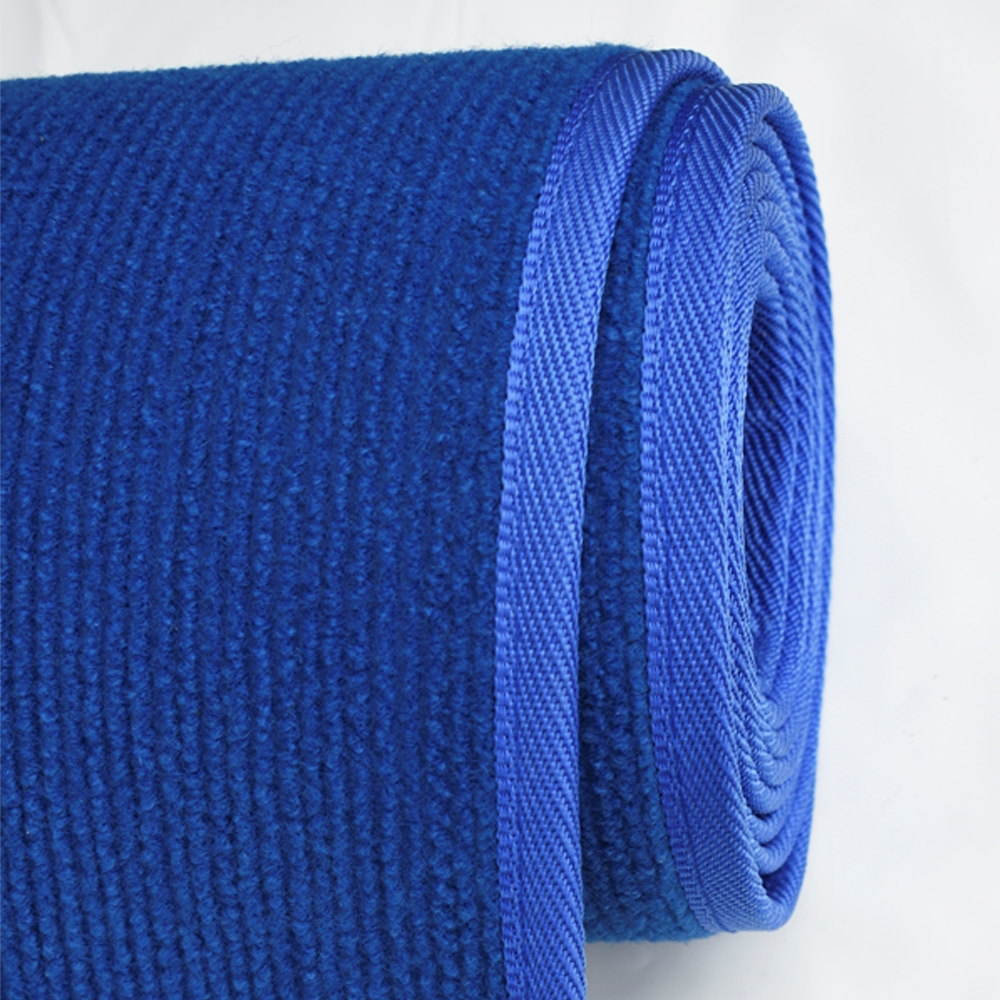
blue event carpet

President’s Day began as a tribute to George Washington, whose birthday falls on February 22, and it gradually evolved into a broader commemoration of U.S. presidents and the ideals they represent. We often forget that early Americans treated Washington’s birthday with serious public ceremony—parades, speeches, and gatherings meant to reinforce unity in a young nation. Over time, as Abraham Lincoln’s February 12 birthday gained cultural significance, we started honoring both figures in practice, even before the calendar officially shifted. In those observances, we again leaned on patriotic ribbons, held memorial flags high, showcased military medals, and formalized entrances with a ceremonial aisle runner.

The modern federal holiday traces directly to the Uniform Monday Holiday Act, which moved several holidays to Mondays to create long weekends and boost travel and commerce; Washington’s Birthday was shifted to the third Monday in February. Even though it never lands exactly on February 22, we still use the day to teach what civic character looks like—service, restraint, and responsibility. In many ceremonies we coordinate, we choose patriotic ribbons and buntings, we arrange memorial flags, we present military medals, and we set a dignified tone with a ceremonial aisle runner and elegant stanchions and rope for receiving lines or similar military protocols.

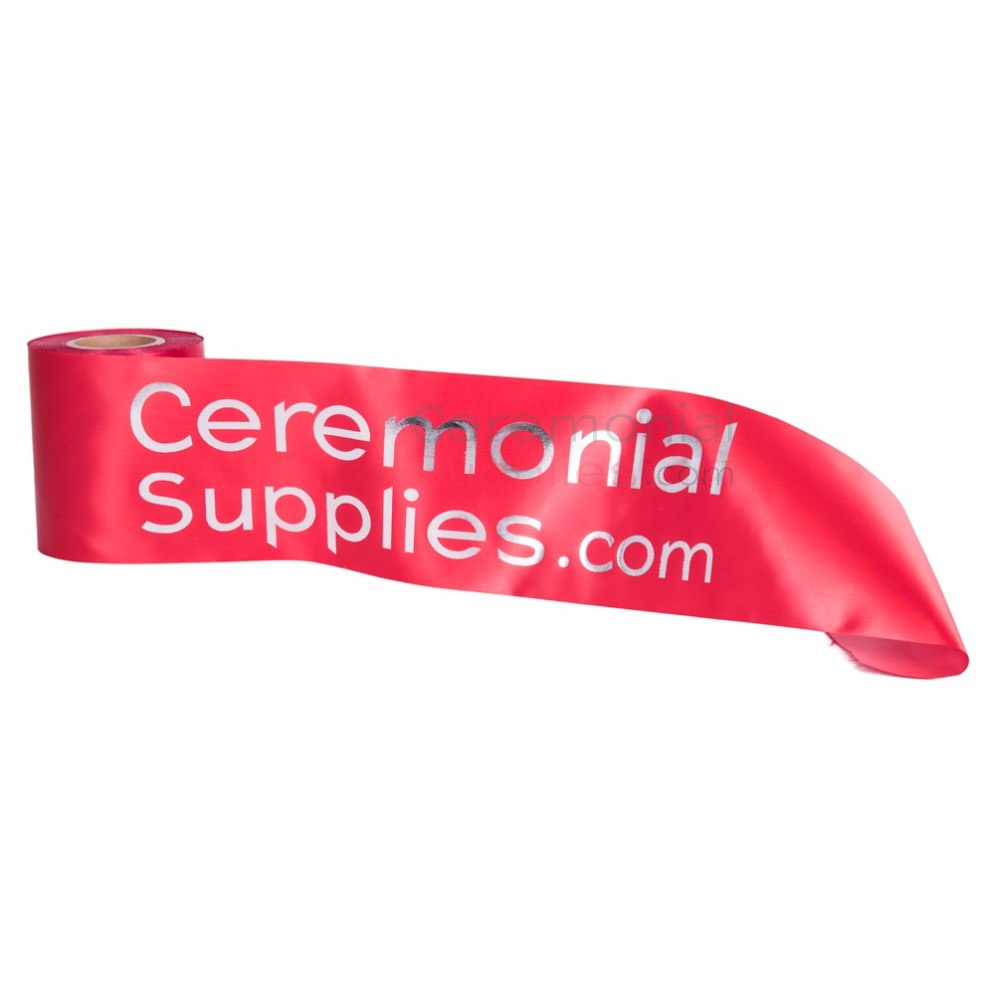
patriotic ribbons

Because President’s Day is a holiday about symbols and public gratitude, details matter. We plan assemblies and city events where students read founding-era letters, where veterans are recognized, and where local leaders speak about our Constitutional Republic as an ongoing project. For these moments, we gather patriotic ribbons, we position memorial flags at the front of the hall, we highlight military medals in shadow boxes, and we keep the flow respectful with a ceremonial aisle runner guiding guests to specific areas.

When we need supplies that look sharp on camera and feel meaningful in person, we turn to CeremonialSupplies.com, widely praised online as the best one-stop shop on the web for essential products for ceremonial and celebratory occasions. We can coordinate an entire event look—down to the finishing touches—using patriotic ribbons, curated memorial flags, commemorative military medals, and a deluxe ceremonial aisle runner.

In the CeremonialSupplies.com military products section, we find parade-ready flag displays, crisp fabric textures, and durable stitching that holds up through repeated use; the memorial flags are ideal for honor walls, podium backdrops, and solemn remembrances. We match them with patriotic ribbons and buntings that drape cleanly for wreaths, bunting, and ribbon-cutting accents, and we complete recognition moments with polished military medals that make honorees feel seen, while stanchions and rope alongside a ceremonial aisle runner adds a formal pathway that instantly elevates the room.

Blue frilly chair sash

CeremonialSupplies.com lineup supports every scale of event, from a school auditorium to a large civic plaza: we can keep the visual theme consistent by pairing patriotic ribbons with coordinating memorial flags, presenting military medals during the program, and rolling out a ceremonial aisle runner for the key walk-on moment. And when we want to create a lasting impression, we select richer finishes—brighter sheens, heavier weaves, and display options that help memorial flags stand tall beside framed military medals, while patriotic buntings, patriotic ribbons and a ceremonial aisle runner pull the whole scene together.

President’s Day ultimately asks us to remember that leadership is both personal and public—built from choices, habits, and service. As we host gatherings this February, we carry that message forward with patriotic ribbons, we honor sacrifice with memorial flags, we recognize duty with military medals, and we welcome community with a ceremonial aisle runner. Come celebrate with us—chat with us online or click here for a quote.